
Retraining the Brain's Eyesight: What Actually Happens During a Vision Therapy Session in Niwot?

Vision is more than seeing 20/20. Your eyes and brain must work together to track, focus, judge distance, process visual information, and coordinate both eyes as a team. When those skills do not work efficiently, everyday tasks such as reading, driving, sports, or computer work can become tiring or frustrating.
At Niwot Eyecare & Vision Therapy, vision therapy in Niwot is a personalized, non-invasive program designed to strengthen specific visual skills and improve how comfortably and efficiently the visual system works. Children and adults may benefit when functional vision problems interfere with daily activities.
What Happens at the Start of Vision Therapy?
Vision therapy does not follow the same routine for every patient. Treatment begins with an evaluation of the visual skills that need attention. From there, our team creates an individualized plan based on the patient's needs, symptoms, and goals.
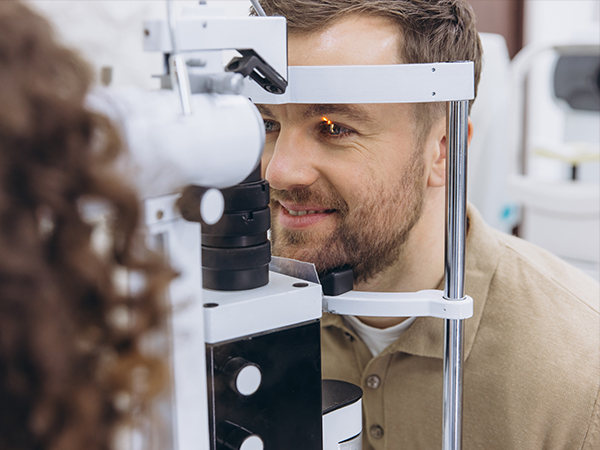
In-office sessions are supervised and typically last about an hour. Depending on the treatment plan, appointments may take place once or twice a week. Patients may also receive activities to practice at home between visits to reinforce the skills developed during therapy.
What Do You Work on During a Session?
A vision therapy session is active and goal-oriented. Rather than simply strengthening the eye muscles, activities are designed to improve communication between the eyes and brain and make visual skills more automatic.
Depending on the patient, therapy may focus on:
- Eye tracking to follow moving targets or move smoothly across a page
- Eye teaming so both eyes coordinate together
- Focusing skills when shifting between near and far distances
- Depth perception and spatial awareness
- Fixation and visual attention
- Peripheral awareness and visual processing
These skills affect much more than eyesight on an eye chart. They influence how efficiently a person reads, moves through space, responds to visual information, and performs visually demanding tasks.
What Tools Are Used in Vision Therapy?
Sessions can include a variety of specialized activities and tools. Prisms, therapeutic lenses, patches, occluders, and vision therapy equipment may be incorporated when appropriate. Exercises are selected for a specific purpose and adjusted as the patient's abilities develop.
The goal is not to rush through a set of drills. Each activity challenges the visual system in a controlled way so the brain develops more efficient responses. As progress is made, the difficulty or complexity of the activities is adjusted.
How Does Progress Build Over Time?
Vision therapy is a process, not a one-time treatment. Repetition helps patients practice new visual patterns until those skills become easier to use in everyday life. Progress is monitored during regular visits, and the treatment plan is adjusted based on how the patient responds.
For someone struggling with eye fatigue, headaches, double vision, poor tracking, or other functional vision concerns, a comprehensive evaluation helps determine whether vision therapy is the right next step.
Take the next step toward more comfortable, efficient vision and schedule a vision therapy evaluation with Niwot Eyecare & Vision Therapy in Niwot, Colorado, at (303) 652-0505.
Helpful Articles
article_category: products
article_category: psychiatry
article_category: faqs
article_category: cats
article_category: general
article_category: services
article_category: technology
article_category: dogs
article_category: restorative
article_category: vision therapy
article_category: contact lenses
article_category: health
article_category: conditions
article_category: eye surgery co-management
article_category: exotic
article_category: cosmetic
article_category: surgical procedures
article_category: aesthetics
article_category: preventative
article_category: ocular disease management
article_category: eyeglasses
article_category: eye health
article_category: large animal
[]
article_category: psychiatry
article_category: faqs
article_category: cats
article_category: general
article_category: services
article_category: technology
article_category: dogs
article_category: restorative
article_category: vision therapy
article_category: contact lenses
article_category: health
article_category: conditions
article_category: eye surgery co-management
article_category: exotic
article_category: cosmetic
article_category: surgical procedures
article_category: aesthetics
article_category: preventative
article_category: ocular disease management
article_category: eyeglasses
article_category: eye health
article_category: large animal
[]
Flowbite is an open-source library of interactive components built on top of Tailwind CSS including buttons, dropdowns, modals, navbars, and more.
Check out this guide to learn how to get started and start developing websites even faster with components on top of Tailwind CSS.
All Eye Care Services
Find personalized eye care excellence with our comprehensive services. From eye exams to advanced diagnostics, trust us for all your vision needs.

Keep In Touch
For non-urgent questions or to learn more about our services, contact us today!
© 2026 Niwot Eyecare & Vision Therapy . All rights Reserved - Accessibility Statement - Privacy Policy - Sitemap
Managed and Designed by 